
Introduction: Why Educational Books Matter for Kids
Educational books are a cornerstone in the journey of a child’s learning and development. These books provide a structured approach to education, making it easier for kids to grasp complex concepts. Positive parenting involves nurturing a love for learning, and parenting books often emphasize the importance of incorporating educational materials into daily routines. By introducing kids to a variety of books from a young age, parents can foster curiosity, critical thinking, and a lifelong passion for knowledge.
Starting with the Basics: Best Books for Learning the ABCs
The foundation of literacy begins with the ABCs. Books that focus on the alphabet are crucial for early childhood development. They not only teach letter recognition but also phonics and vocabulary. Parenting books often suggest interactive and engaging ABC books that incorporate colorful illustrations and fun activities. These elements capture a child’s attention and make learning enjoyable, setting the stage for future educational success.
Numbers and Counting: Top Picks for Early Math Skills
Math skills are essential, and the best time to start is early. Books that focus on numbers and counting help children develop basic math skills such as number recognition, sequencing, and simple arithmetic. Positive parenting strategies recommend incorporating these books into daily reading time to make math fun and less intimidating. Titles with playful themes, rhymes, and counting exercises can turn learning numbers into an exciting adventure.
Science for Little Explorers: Engaging STEM Books
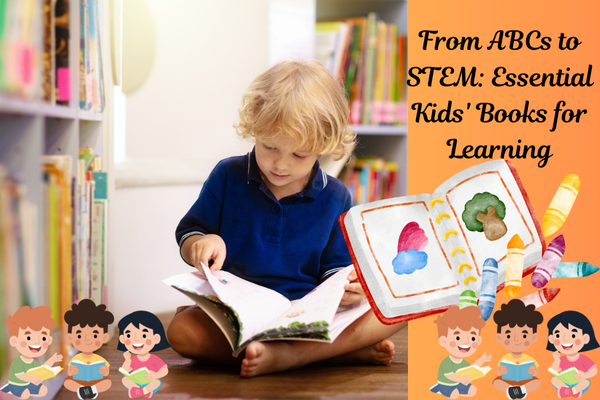
STEM (Science, Technology, Engineering, and Mathematics) books are perfect for nurturing a child’s natural curiosity about the world. These books introduce young readers to fundamental scientific concepts and encourage exploration and experimentation. Parenting books on positive parenting often highlight the importance of STEM education from an early age. Engaging books with hands-on activities, colorful pictures, and simple explanations can inspire a love for science and innovation in young minds.
Tips for Making Reading Time Fun and Educational
Creating a positive and enjoyable reading environment is key to fostering a love for books. Here are some tips:
Set a Routine: Designate a specific time each day for reading.
Be Interactive: Ask questions and discuss the stories.
Mix It Up: Include a variety of genres and topics.
Use Voices and Props: Make the characters come alive with different voices and props.
Parenting books on positive parenting often suggest these methods to make reading sessions more engaging and educational.
Creating a Balanced Reading List: Mixing Fun with Learning
A balanced reading list should include both educational and entertaining books. While it’s important to focus on learning, incorporating books purely for enjoyment is equally crucial. Positive parenting emphasizes the balance between fun and education to keep children motivated and interested in reading. Parenting books often recommend a mix of genres, including fiction, non-fiction, fantasy, and educational books, to create a well-rounded reading experience.
Building a Home Library: Must-Have Learning Books
Building a home library stocked with essential learning books is a positive parenting practice that can significantly benefit your child’s development. Key books to include are:
ABC and Phonics Books: For early literacy skills.
Counting and Number Books: To develop math skills.
STEM Books: To encourage scientific curiosity.
Multicultural and Bilingual Books: To broaden cultural awareness.
Interactive and Activity Books: To make learning hands-on and engaging.
Parenting books suggest curating a diverse collection that caters to your child’s evolving interests and educational needs.
Conclusion: The Lasting Impact of Educational Books on Children's Growth
Educational books play a vital role in a child’s growth, influencing their cognitive and emotional development. Positive parenting involves providing the right tools and resources to support this growth, and parenting books consistently highlight the benefits of a rich literary environment. By integrating educational books into daily routines, parents can nurture a well-rounded, knowledgeable, and curious child. The lasting impact of these books is seen in a child’s ability to think critically, solve problems, and embrace a lifelong love of learning.